How To Choose The Right Food Packaging For Your Product
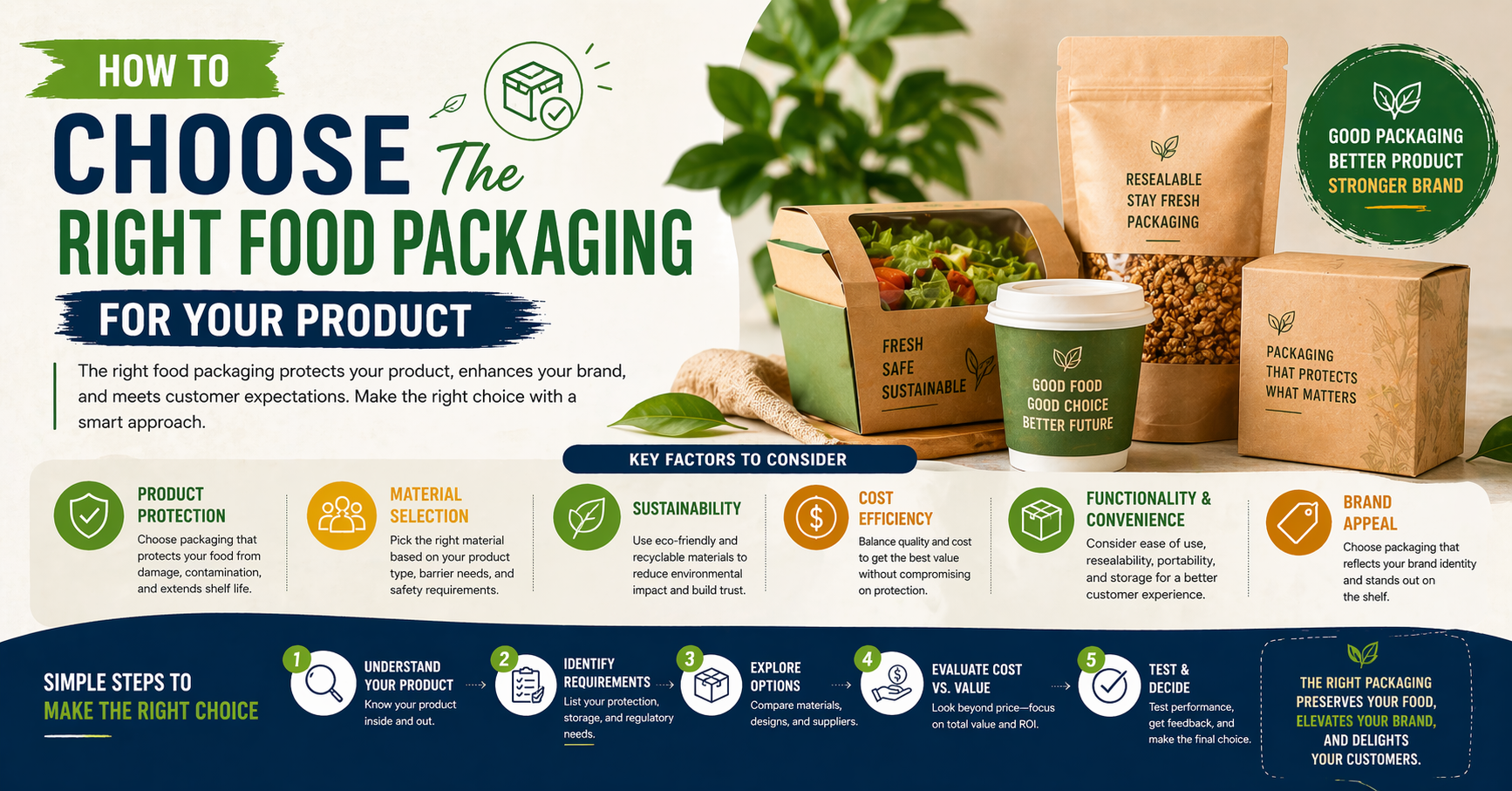
A custom food packaging works more than just holding; it plays a key role as a protective layer around edible items, preserving the freshness, attracting customers and ensuring it meets safety standards.
Choosing the right packaging for food is one of the most important decisions for any food business, which can protect their delicate edibles from spoilage, contamination, and other damage during shipping and holding while conveying the brand identity and values to consumers. With a wide range of materials, from plastic, glass, eco-friendly, kraft, and cardboard, selecting the best can be time-consuming and difficult.
This guide will help you understand how to select the right packaging for food that works well for your creation, the factors to consider when choosing the materials and designs, and how to balance protection and branding while keeping in mind the innovation and budget.
Understand Your Product Needs
First thing that comes is to thoroughly understand the specific type of your food, as each type has its own characteristics, storage needs, consumption pattern, and industrial requirements, which directly influence the type of packaging. Common ones are:
- Dry foods: they include cereals, grains, nuts, and snacks they are particularly sensitive to moisture and pests. Packaging for these items must be a strong barrier against moisture, contamination, and harmful rays, with a hermetic seal that locks in the dry nature. Materials like laminated pouches, kraft paper bags with inner liners, and vacuum-sealed plastic bags work best in maintaining the crispness and overall product integrity.
- Liquids: they included sauces, juices, soups, and oils. Packaging for them must be leak-proof, and airting to prevent spills, and maintain the taste, aroma, and colour. Bottles, jars, pouches, and pouches made from glass, high-quality plastic, and laminated films are an ideal solution that ensures both safety and convenience.
- Frozen food: its packaging must withstand the extremely low temperature without breaking, cracking, or losing edible taste. Materials like freezer-safe plastics, laminated films, and rigid trays are great options to prevent freezer burn and maintain texture and overall quality.
- Fresh items, such as fruit, vegetables that need to be fresh until packaging, require a breathable container that allows air circulation, preventing moisture from building up, which can lead to spoilage. Perforated plastic bags, mech bags, and cardboard trays can balance the humidity and convenience while keeping the product fresh longer period of time.
- Ready-to-eat meals: meals that are ready to eat are often sealed in tamper-proof packaging to ensure safety with features like resealable lids, dividers, and microwave safe, they are made from kraft paper and cardboard that also meet sustainable practices.
Now that you have understood your food niche, move towards the packaging materials
Packaging Materials
The next step is to select the right material that can maintain your food’s freshness, safety, durability, and also resonate with the brand perception. Here is the breakdown of the common options:
- Plastic packaging: One of the versatile and low-cost used material that feature excellent moisture-resistant properties, lightweight and can easily be moulded into various sizes, styles, and shapes. Furthermore, it comes in an array of foams, such as containers, wraps, and closure mechanisms. But it can be environmentally harmful because of its difficulty to recycle.
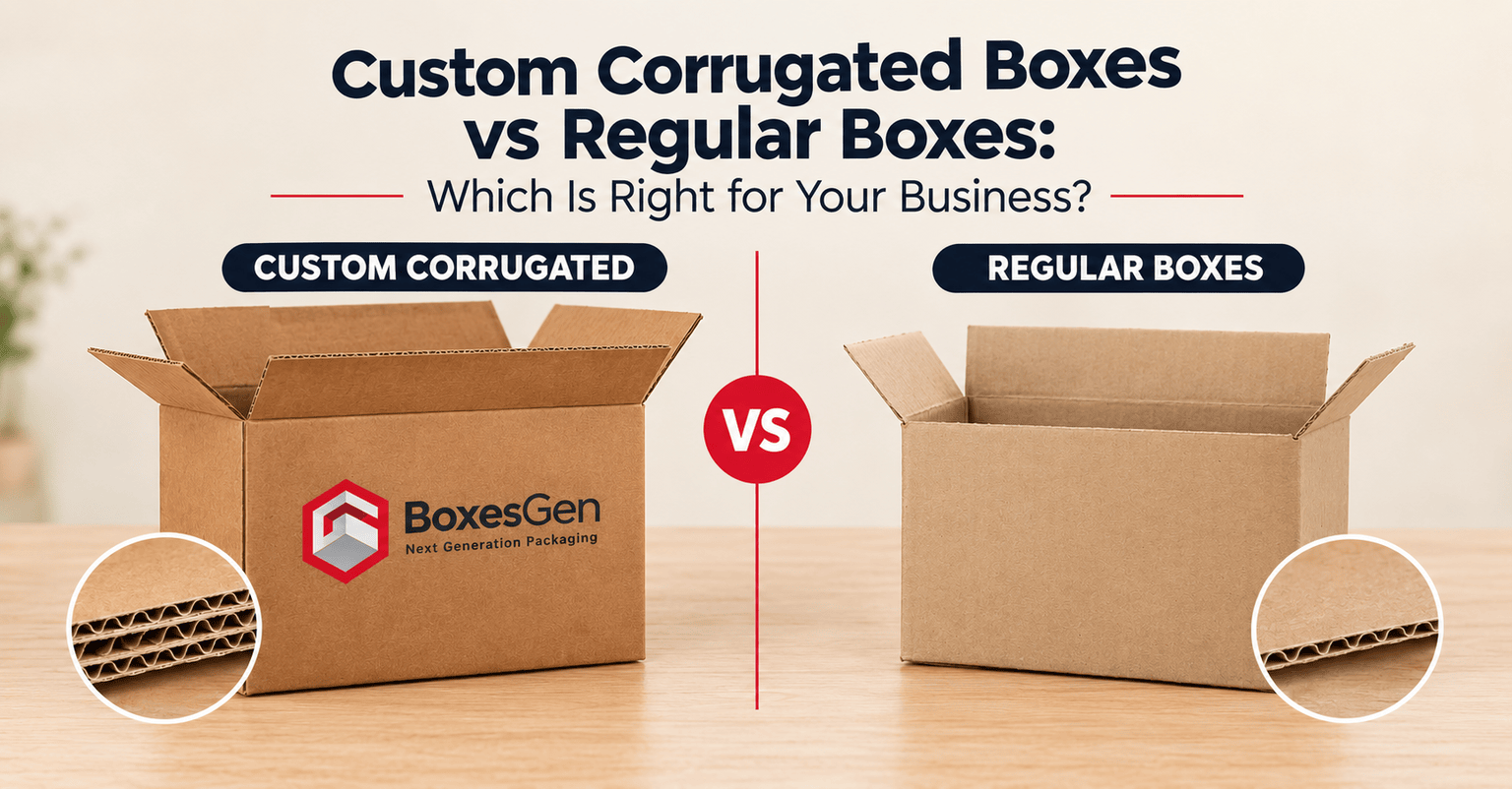
- Cardboard: A strong, durable stock commonly used for shipping and protection purposes. They are often made with corrugated fiberboard, which refers to one or more fluted layers sandwiched between two flat layers of paper. They can be customised easily for branding without compromising on strength, but it does need an insert or lining to prevent moisture absorption and prevent breae during shipping.
- Glass: Refer to containers that are made from non-toxic raw materials such as limestone, sand and soda ash that are shaped into rigid crystalline form. They are 100% recyclable, impermeable and do not react with the content inside. However, it’s heavy and fragile and ned extra care to safely ship, which can increase cost.
- Metal: They are made from metal like aluminium and steel that are excellent for long-term preservation, as they provide a strong barrier against light, air, moisture, and physical damage. Key examples are cans, tins, and tubes. It supports sustainability goals by allowing customers to reuse the containers once empty, but it is susceptible to corrosion and rusting when exposed to moisture and acidic content. A protective layer is required, but it can be costly.
Food Safety
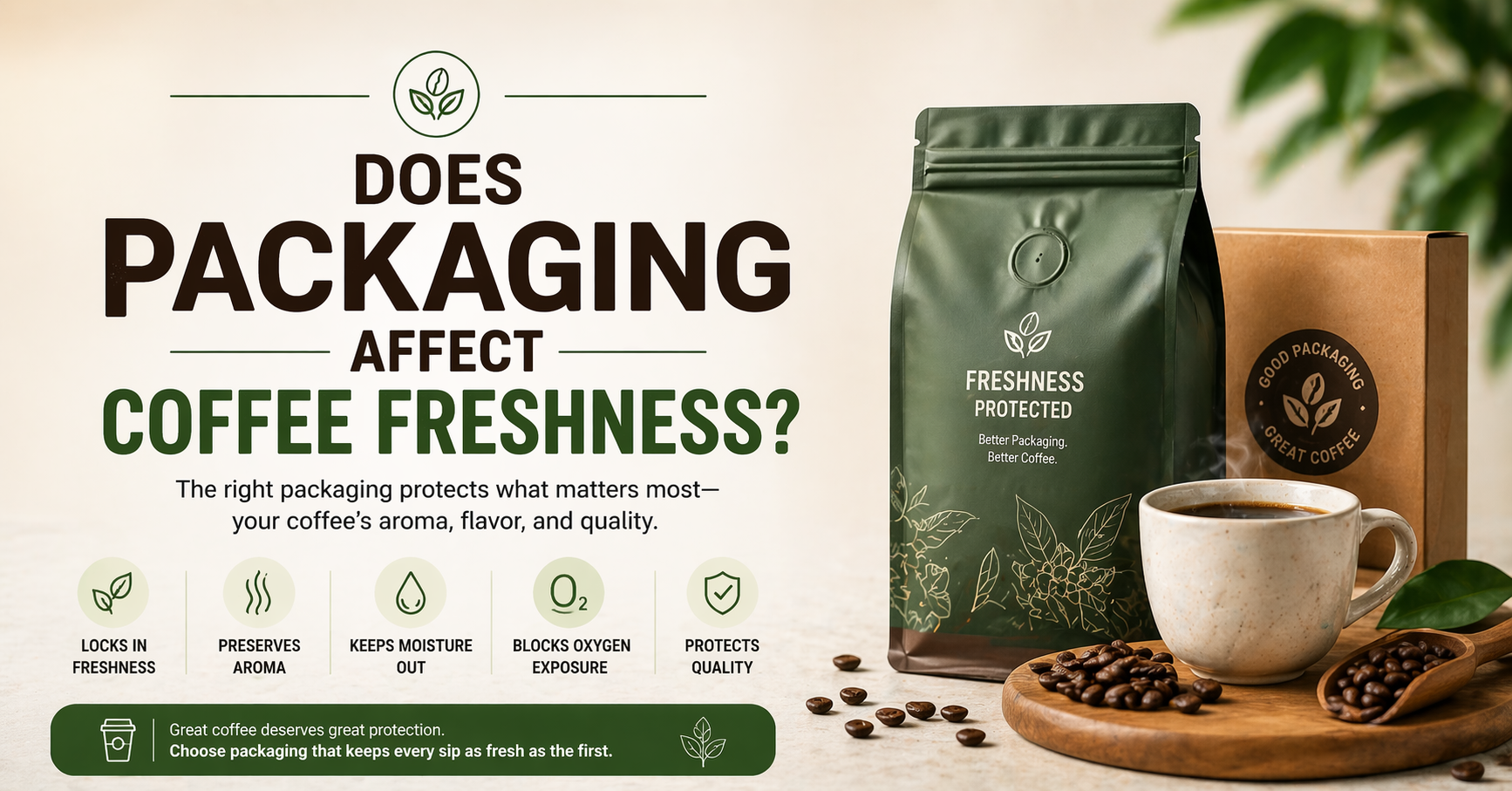
The next step is to make your food safe and preserve its taste, colour, texture, and overall integrity. Packaging is just the first line of defence against contamination. Proper add-ons and multiple features are required to protect the food from bacteria, dust, and other contamination. To increase the protection, the options are a tamper-evident seal, shrink wrap, and a safety sticker, so that the customer can buy with confidence, which is crucial for repeat purchases and brand loyalty. For products like snacks, juices, and ready-to-eat meals, vacuum-seal pouches can significantly extend shelf life.
Ensure Functionality And Convenience
They are key aspects of any effective custom product boxes as they directly influence the customer experience and impression. Apart from protection, they not only protect the edibles but also make it easy to use, handle and offer convenience to buyers for easy access to the content. You can add features like resealable closures, easy-tear openings, and portion-controlled packs and oven-safe containers to add significant value to your creation.
Marketing And Branding Purposes
Packaging acts as a silent salesman with custom boxes designed with clear labelling, colour theme, and brand messages, focusing on creating a strong and memorable impression on the buyer. Beyond decorative elements, differentiate your product on crowded shelves with clear information such as nutritional facts, allergen warnings, and expiration dates, which help customers make informed and confident purchase decisions. Creative features like embossed logos, typography, and smooth finishes can further elaborate on the brand personality and values.
Cost And Budget
Premium packaging does look good, appealing and increases a brand perception in the market; it must also fit our budget. You should keep in mind that the cost of production directly affects the final cost of your product, so you should not make it too expensive for customers. Likewise, the complex shapes and advanced finishes increase production time and cost. The goal is to balance the quality, design, and cost, so your food looks appealing and market-ready without breaking the bank. In addition, the large-scale production of a unique shape may limit your expectations.
Keep Sustainable
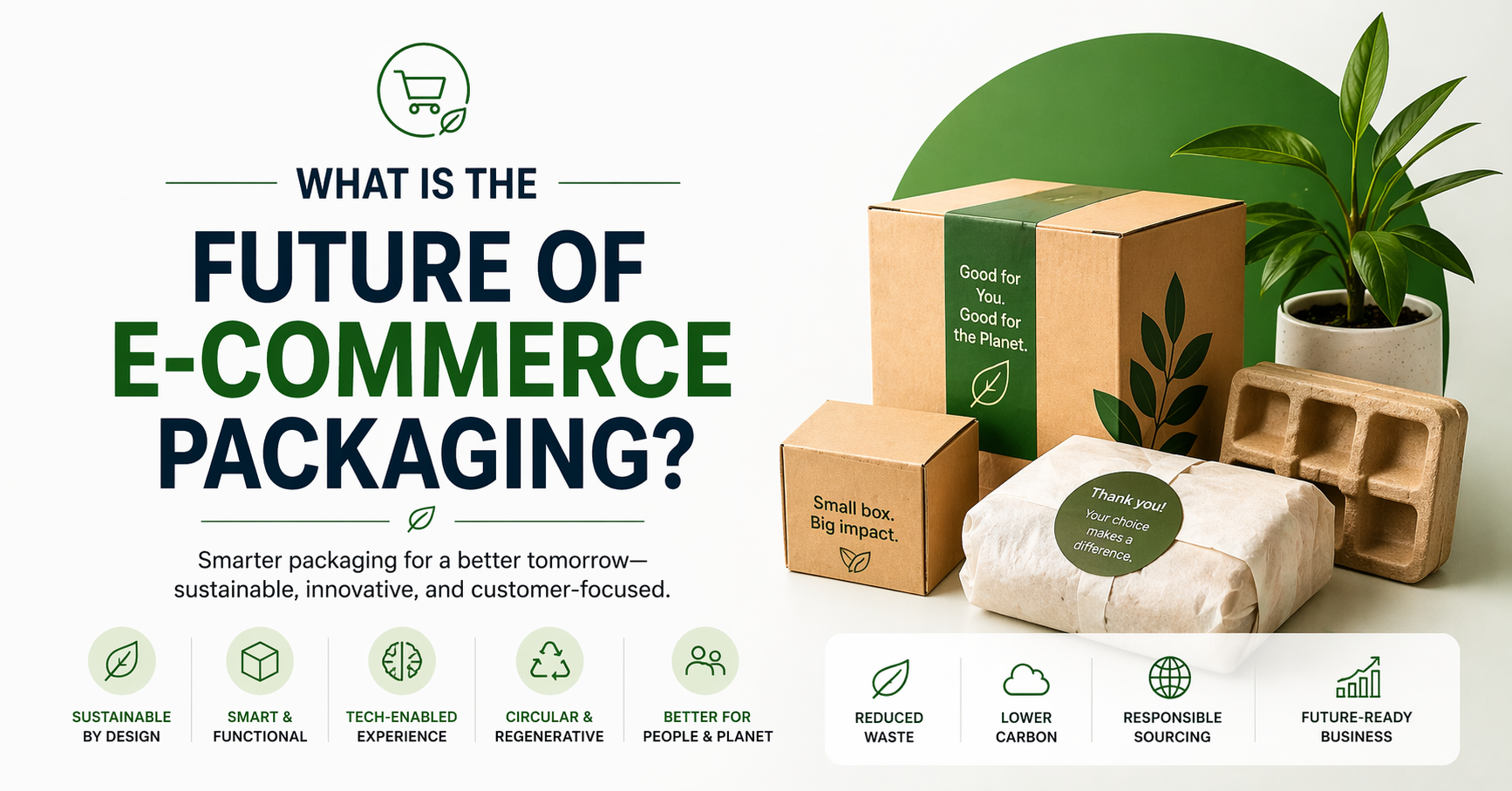
Sustainable is no longer a new word many brands have shifted towards low-carbon packaging that offers the required protection, convenience, and appearance. Popular eco-friendly options are:
- Bio-plastic: such as PP, PET, which is durable and makes a positive impact on the environment.
- Cardboard: Kraft paper, corrugated cardboard are biodegradable.
- Reusable: focus on tins and reusable containers that also meet sustainable goals.
- Composable: a composable stock that breaks down naturally with time, making it a responsible choice.
Common Mistakes to Avoid
There are some common mistakes that you have to avoid for successful and intact delivery:
- Material requirements: Not every material works fr any food time, you have to first understand your creation requirements, such as for oily and acidic food can react with certain plastics.
- Too much focus on aesthetics: Although appearance does matter but too much of add-ons can lead to an over-complicated look that loses customer interest in buying, thus the goal is to balance the functionality and design appeal.
- Overlocking customer convenience: Customer convenience from clear visibility on display to unbox and access should be on top line. Go with an easy-to-open, resealable, carryable, and stackable design that adds ease and encourages repeat purchases.
- Neglecting sustainability: Many customers actively look for brands that combine durability, cost-effectiveness and sustainability in one package. Ignoring these factories can make your business look outdated and disconnected from today’s market trends.
In Conclusion
By this point, you would have realised that finding the right packaging required a perfect balance of material selection, convenience, cost and eco-friendliness. By understanding these factors, you can have your ideal custom packaging that preserves freshness, attracts customers, and leaves a lasting impression on customers, so add extra effort to your investment and get the right one that works best for your food.
Trusted Packaging Supplier
At Boxesgen, we are an ideal one-stop solution for creating innovative, stylish, and reliable packaging that meets global standards. With a proven track record of premium quality, a wide range of material options, and excellent craftsmanship, we serve businesses of all scales with brand food boxes that not only safeguard the edibles but also increase brand presentation.