Custom Corrugated Boxes vs Regular Boxes: Which Is Right for Your Business?
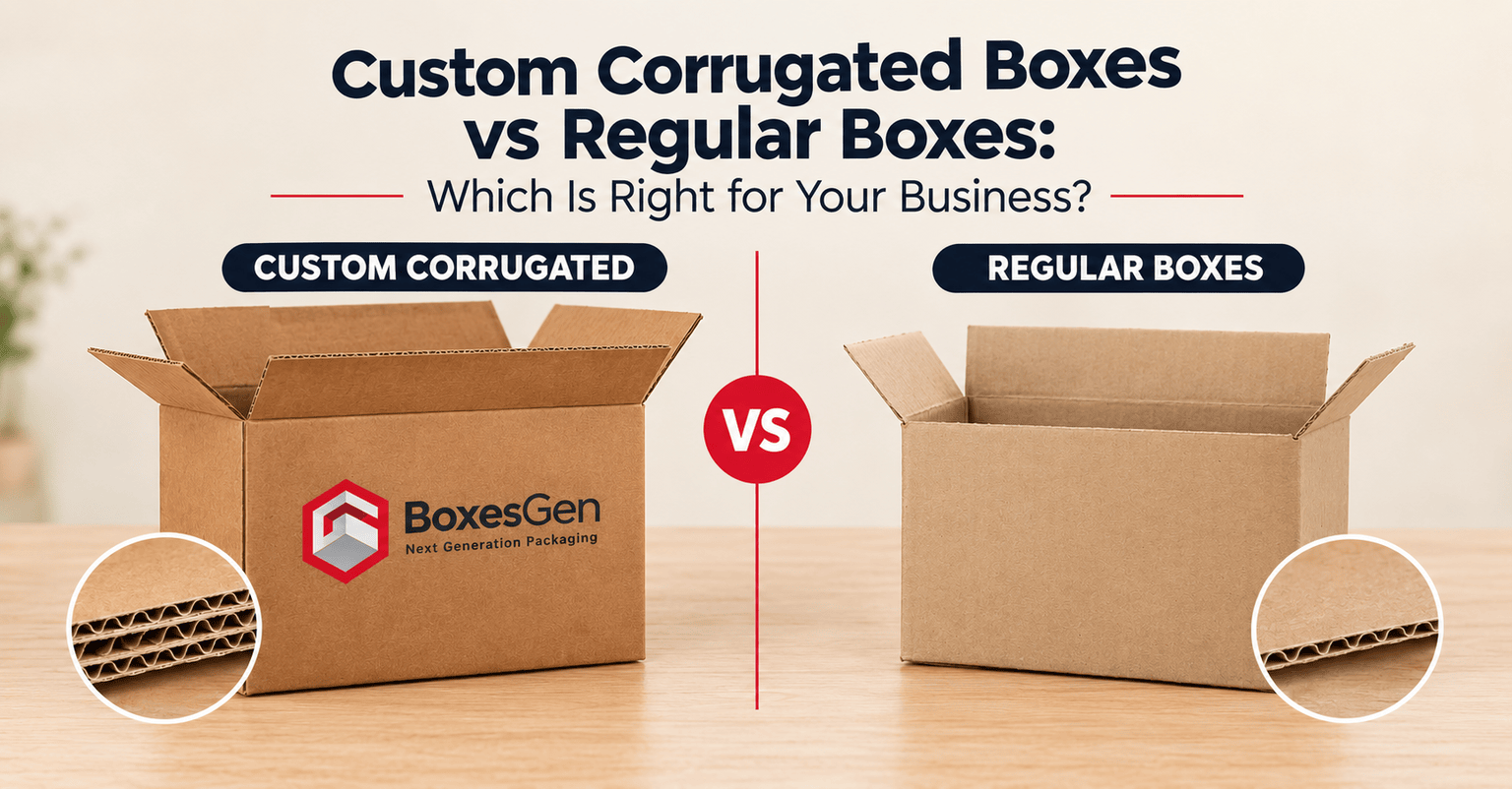
Custom corrugated boxes are used when you need packaging that best fits your products, provides protection and offers strong brand visibility and reliable shipping. Regular boxes are suitable for standard sizes, short-term needs and where personalisation is not required.
A box that looks suitable on the shelf may not perform well once it enters storage, courier networks, or customer deliveries. Large-sized boxes can cause your product to keep moving and damage fragile products. UK businesses should select packaging based more on practicality rather than appearance.
Custom Corrugated Boxes are different from standard boxes in dimensions, corporate identity, material, cost and customer experience. Regular packaging gives customers an ordinary experience, whereas custom packaging provides an outstanding satisfaction level through presentation and handling. Construction of boxes helps you finalise the packaging that fulfils your product requirements.
What Are Custom Corrugated Boxes?
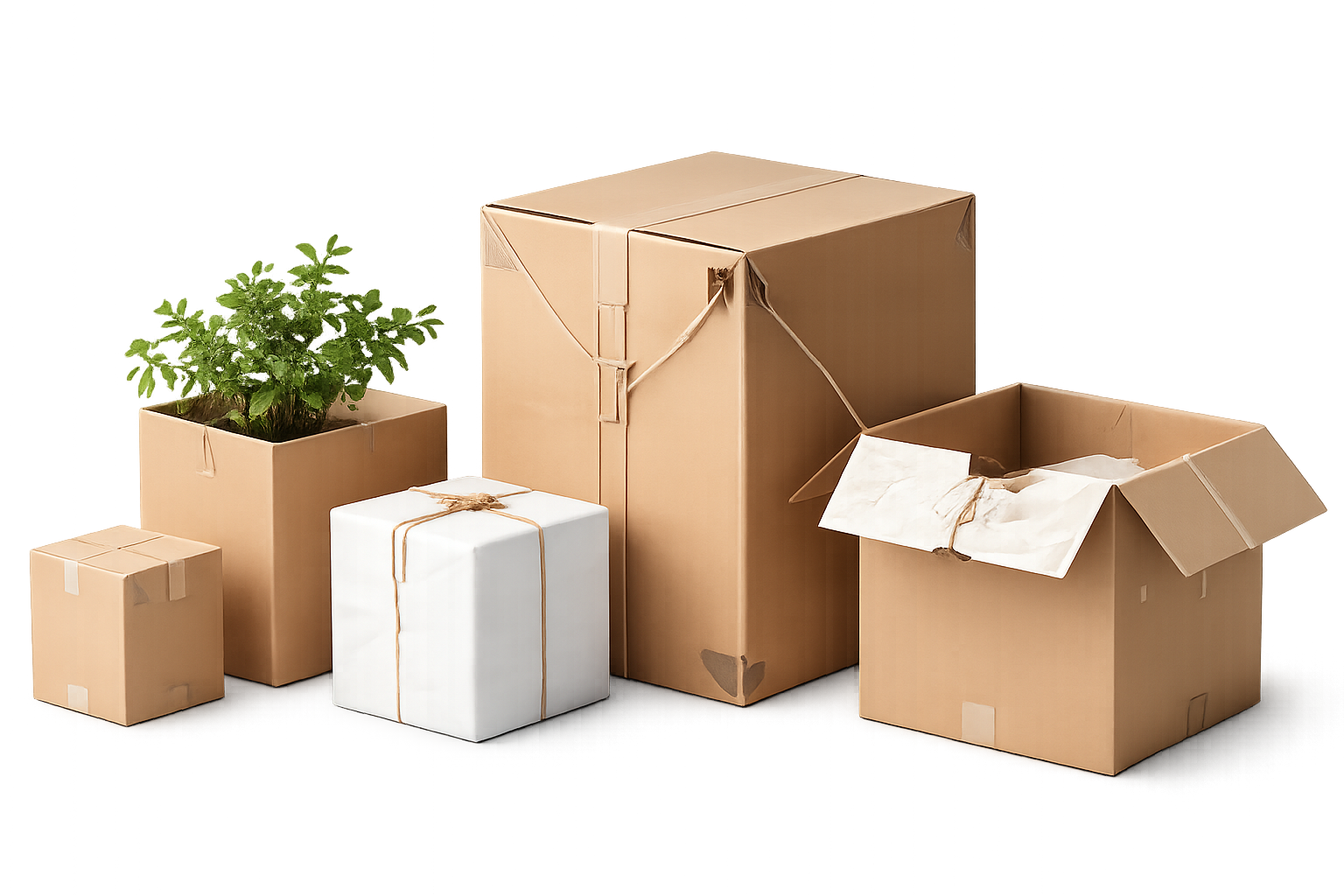
Custom Corrugated Boxes are made of corrugated material and are designed to the required size for a particular product. The structure is a combination of a flat sheet with an inner fluted lining, which absorbs shock and protects the product from damage. Box layering depends on stacking, handling, and shipment requirements.
With Custom Corrugated Packaging, businesses can adjust:
- Box length, width, and height
- Board construction
- Flute profile
- Closure and opening style
- Inserts or dividers
- Printing and artwork
Custom packaging allows you to wrap your item in an appropriate box rather than forcing it into an unsuitable one. This avoids extra space and movement, and reduces excessive use of material. Custom construction also improves the packing, stacking, and shipping experience.
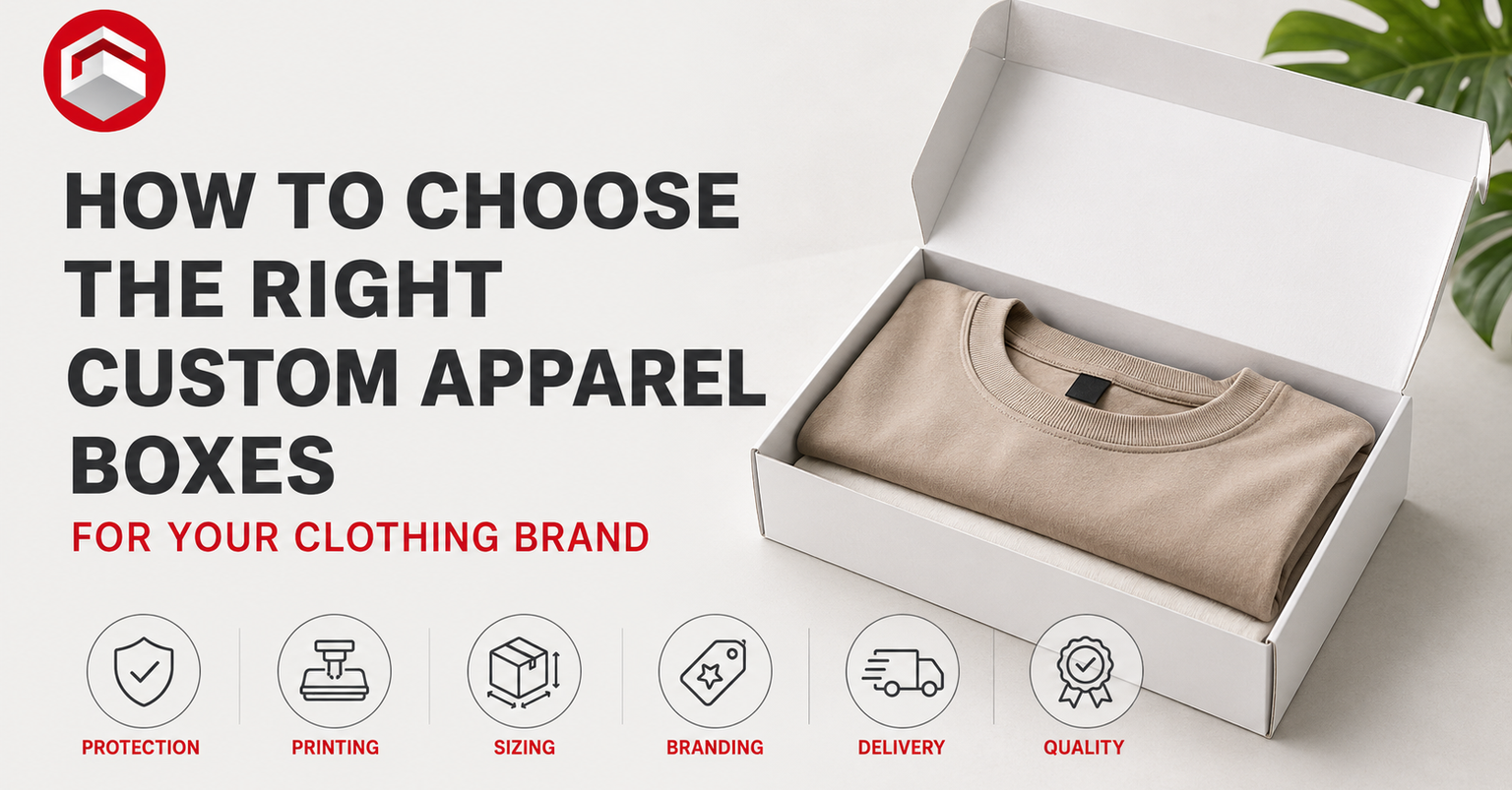
These boxes suit a wide range of applications, including retail products, subscription orders, e-commerce shipments, food-related products, electronics, apparel, promotional items, and other packaged goods.
Custom Corrugated Boxes vs Regular Boxes
The difference between custom and regular boxes is not simply about appearance. It involves how effectively the packaging fits the product, handles distribution requirements, and supports the overall packing process.
The difference between customised and regular boxes is not just about appearance. It includes dimensions, material, branding, handling and budget-friendliness.
Protection
Protection requirements change for different products, depending on the size and weight of the item. Corrugated packaging is a combination of multi-walls. Lightweight goods require a single wall, whereas heavy and fragile items need double-wall packaging.
Single-wall board is a combination of two flat sheets and one inner wavy layer, appropriate for lightweight products and for standard shipping.
Double-wall board consists of three flat sheets of paperboard separated by two wavy, fluted layers, used for heavy-duty packaging and deliveries.
Custom boxes allow businesses to handle the contents according to demand and provide efficiency until the package reaches the customer. Conversely, regular boxes are standard boxes goes well only for items that already match the details. So customer satisfaction diminishes when size differs from the packaging. For UK businesses, recyclable corrugated board also supports more responsible packaging choices.
Size and Fit
Packaging mainly depends on the accuracy of dimensions. Custom sizes allow businesses to generate boxes according to the product. This can help reduce unnecessary use of material and extra space around the product.
Standard boxes are pre-designed on assumed sizes that mostly do not fit all products and fail to provide efficiency. Also, material selection is based on standard requirements rather than the specific needs of the contents.
Branding
Packaging can play an important role in shaping the customers experience with a brand.
Custom Printed Corrugated Boxes can incorporate logos, artwork, custom text, and product details. This allows the packaging to support both product protection and customisation, allowing businesses to enhance brand presentation.
Regular boxes are practical for internal storage and for delivery purposes, where branding is not essential. Businesses selling directly to consumers should prioritise branded custom packaging for a consistent unboxing experience.
Shipping
Shipping requirements should be considered before selecting a box. Corrugated Shipping Boxes need to suit the product, its dimensions, weight, and expected delivery conditions. Courier handling, stacking, transportation distance, storage, and product movement can all influence the appropriate packaging construction.
Custom packaging gives businesses better compatibility than standard box sizes. Regular boxes remain useful when the packaging fits your product appropriately.
Flexibility
Product ranges often include different sizes, shapes, and weights. Custom packaging can be developed around individual products, with different dimensions and structural options available where required.
Regular boxes give limited dimensional choices. They are suitable for businesses with a limited range of standard-sized products.
Customer Experience
Packaging contributes to how a product is presented when it reaches the customer. Accurate-size boxes make packing and presentation easier, while branded custom printing creates a consistent appearance. For online businesses, this makes the delivery package part of the overall customer experience.
This does not mean every business needs customised packaging. Presentation has its own commercial importance, but if presentation is not a major priority, a regular box may also provide all the functionality required.
When Regular Boxes Make Sense
Customisation is not essential for every business, regular boxes are also sufficient when
- Products have standard dimensions.
- Packaging is mainly used for basic storage.
- No special shipping requirements
- A business is testing a new product.
- Packaging demand is temporary.
- Branding is not a major consideration.
It is also useful to understand Corrugated Boxes vs Cardboard Boxes when comparing packaging options. “Cardboard” is a broad term that can describe paper-based board materials, while corrugated board specifically uses fluting with liner layers. They should not automatically be treated as interchangeable terms.
Customisation Options for Corrugated Boxes
Businesses can customise corrugated boxes from Boxesgen according to their products, shipping needs, and brand identity. Common options include:
- Custom box dimensions
- Different box styles and structures
- Single-wall or double-wall construction
- Full-colour printing
- Logos, brand colours, and artwork
- Product information and handling instructions
- Custom inserts and dividers
- Window cut-outs where suitable
- QR codes for product or ordering information
- Suitable finishing options
How to Choose Custom Corrugated Boxes(Step by Step)
Right packaging selection starts from the product, not from the box straightaway. The steps businesses need to follow include:
1. Measure the Product
Find out the exact measurements of the product, such as length, width, height and the position in which it is to be packed, then work on the required material and add-ons needed.
The objective is to provide enough internal room without creating excessive space.
2. Consider Product Weight
Analyse the product weight, as it identifies the packaging construction required. Heavier products need packaging appropriate to their load and handling conditions. Fragile items also need additional protection.
Share accurate product weight information with a packaging expert before finalising to get a secure container.
3. Assess Shipping Conditions
Consider how the box performs after leaving your facility, including courier handling, stacking, transportation, delivery distance, and warehouse storage. Local deliveries may involve fewer handling stages than long-distance shipments, so these factors should guide the box size and construction.
4. Select the Right Corrugated Material
Corrugated board is available in different layers. The choice of board reflects the product’s weight, dimensions, fragility, and shipping requirements. Rather than based on appearance. The appropriate construction offers protection, handling requirements, and practical packaging needs.
5. Choose the Box Style
The box structure is totally dependent on the product shape and packing process. Consider the product shape, how it will be packed, how customers will open it, and how boxes will be stored or fulfilled.
Businesses normally consider tuck-end, mailer, regular slotted, or other suitable corrugated structures.
6. Plan Branding and Printing
Decide what you want to print and how you want to reflect your brand. Companies can add logos, Brand colours, Product information, handling instructions, artwork, and Promotional messages. Printed designs strengthen brand recognition while communicating useful product details to customers.
7. Consider Sustainability
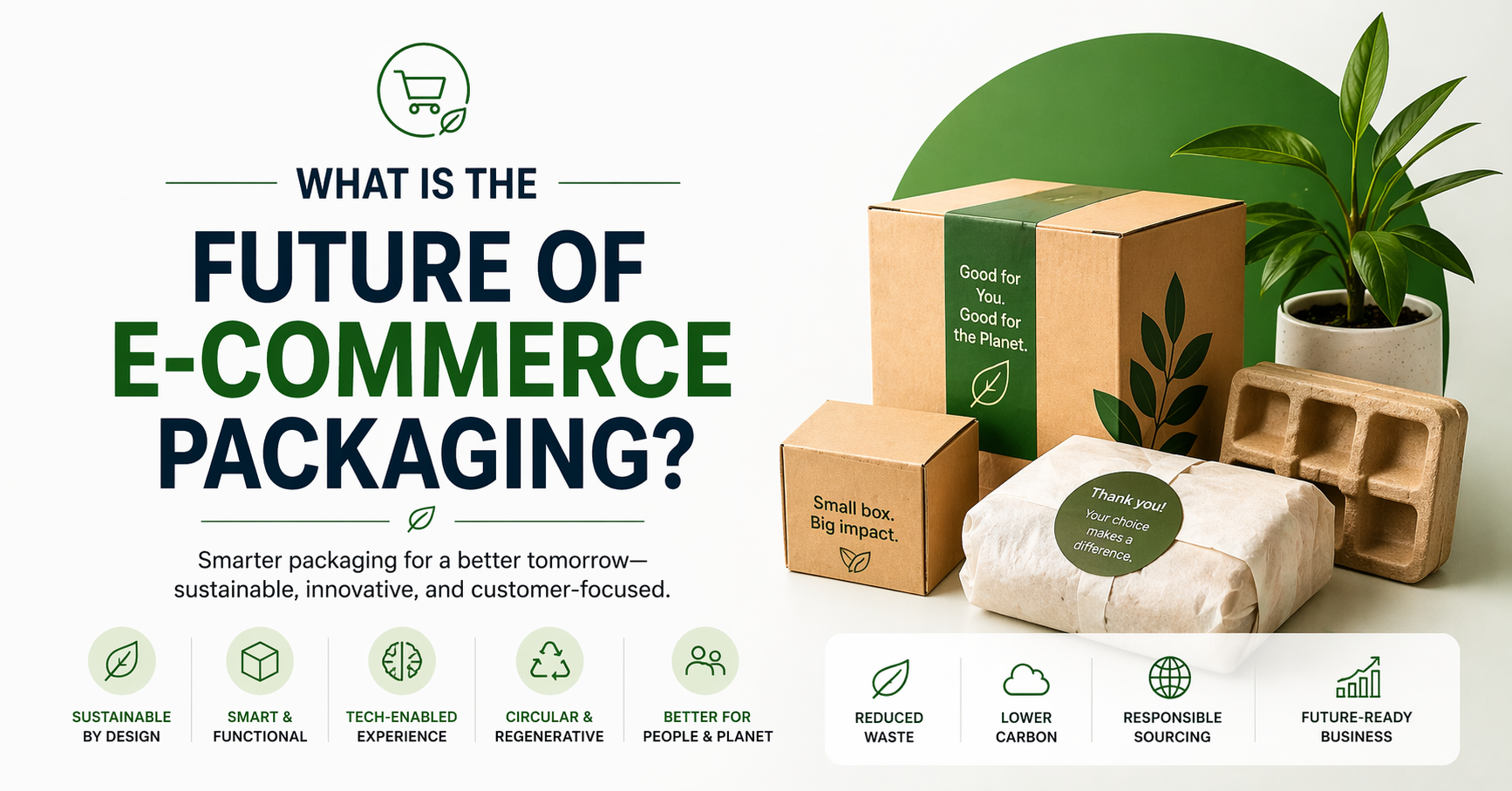
Recyclable corrugated materials can support responsible packaging practices, while right-sized boxes can help avoid unnecessary material use. For businesses sourcing Corrugated Packaging Boxes UK, it is useful to consider recyclability, box dimensions, material requirements, and the practical lifecycle of the packaging.
8. Determine the Order Quantity
Order quantity should match your business needs, storage space, and sales. Businesses using Custom Corrugated Boxes UK should also decide whether one box size can fit several items or if different sizes are needed.
Custom Packaging Cost
The cost of custom packaging varies, as every project has different requirements. Variation factors include:
- Box dimensions
- Board grade
- Flute type
- Material thickness
- Printing coverage
- Number of colours
- Finishing requirements
- Structural complexity
- Inserts or dividers
- Order quantity
- Artwork requirements
- Production requirements
- Delivery considerations
Businesses should focus on overall customisation value rather than only the initial cost. Choosing the right size and construction can also help reduce unnecessary space and packing materials. Custom Kraft Shipping Boxes should be selected according to product needs, delivery conditions, presentation, and order volume.
Frequently Asked Questions
1-What makes custom corrugated boxes different from regular boxes?
Custom boxes are designed for a specific product with custom dimensions, construction requirements, and branding. Regular boxes are pre-constructed in standard sizes, which may not provide the right fit, protection, and brand-specific printing for every item.
2-Can custom corrugated boxes be printed with a logo?
Yes. Corrugated packaging can add logos, brand colours, artwork, product information, and handling instructions. This gives every order a branded appearance and gives customers an unforgettable unboxing experience.
3-Are corrugated boxes recyclable?
Corrugated boxes are usually recyclable through paper and cardboard recycling systems. Some boxes are harder to recycle if they have certain coatings, inks, or bonding materials.
4-How do I choose the right corrugated board for my product?
Make a proper working on product details such as weight, dimensions, fragility, and shipping conditions. Lighter items need fewer layers, while heavier items require stronger, multi-layered walls for better support.
5-Can businesses order custom corrugated boxes in wholesale quantities?
Yes. We offer wholesale pricing, low minimum order quantities, fast turnaround times, free quotes, and free of cost nationwide shipping across the UK.
Conclusion
The right box starts with accurate information about the product and its distribution needs. Share product details with our team. Regular boxes work well for standard items and basic requirements. Custom corrugated boxes offer better control over size, construction, protection, and branding.
A tailored box should fit the contents properly, support safe handling, and avoid unnecessary space. Businesses should also consider storage, delivery conditions, printing needs, and order quantity before making a decision. By matching the box construction to actual business needs, companies can select packaging that performs effectively from packing to delivery.