How to Balance Cost And Sustainability In Coffee Packaging
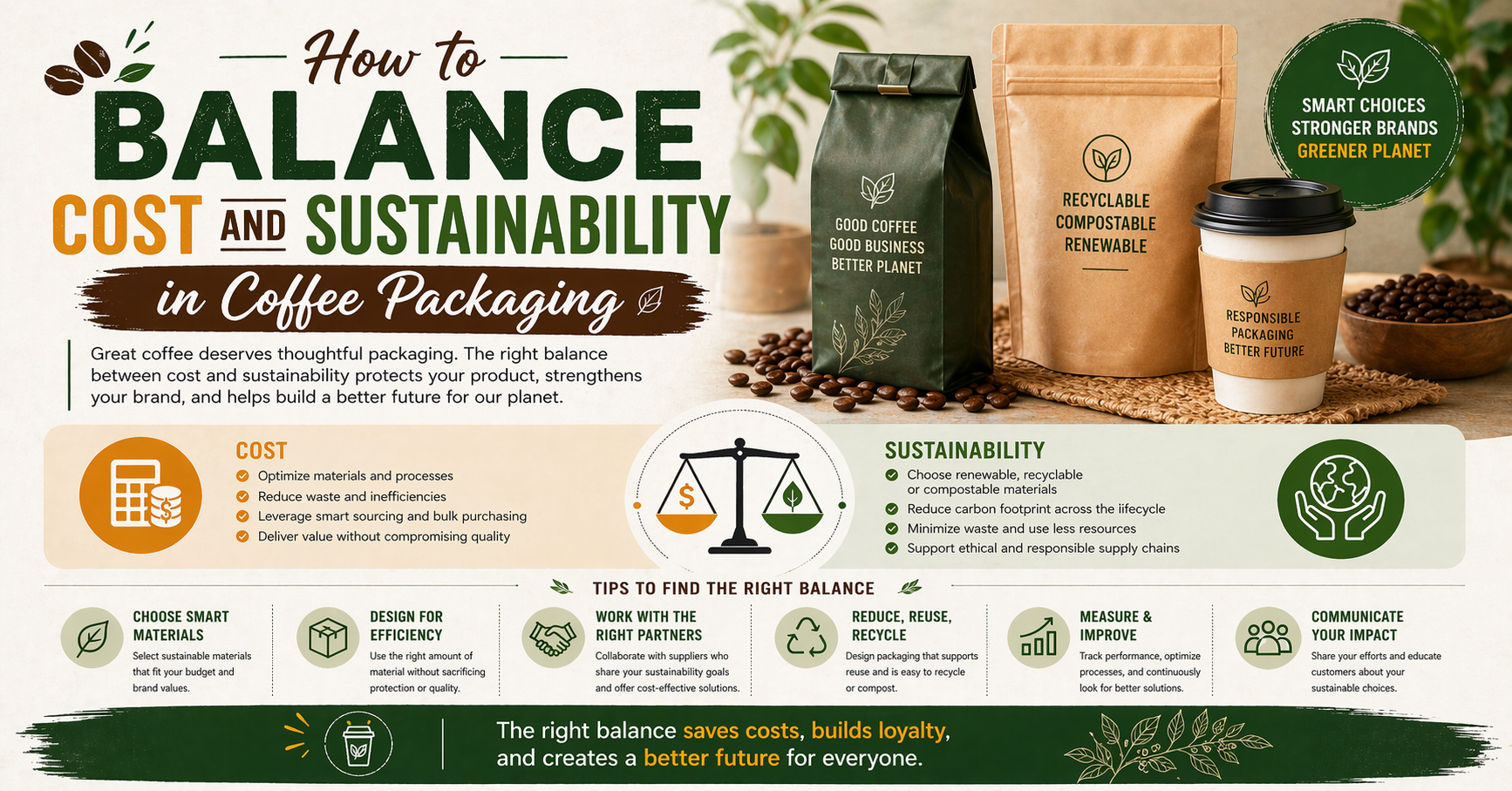
In modern words, eco-friendly packaging is no longer a new concept. It is driven by increasing consumer demand and global awareness, and has evolved from a trend into a top business priority and environmental necessity.
This movement toward sustainable packaging has also significantly influenced the coffee industry, where balancing cost and environmental responsibility has become a growing challenge for businesses of all sizes.
In this article, we will guide you on how to balance cost with sustainability effectively, from optimising material choices to smart packaging designs, bulk procurement and other practical cost-saving strategies
The Cost And Importance Of Sustainable Coffee Packaging
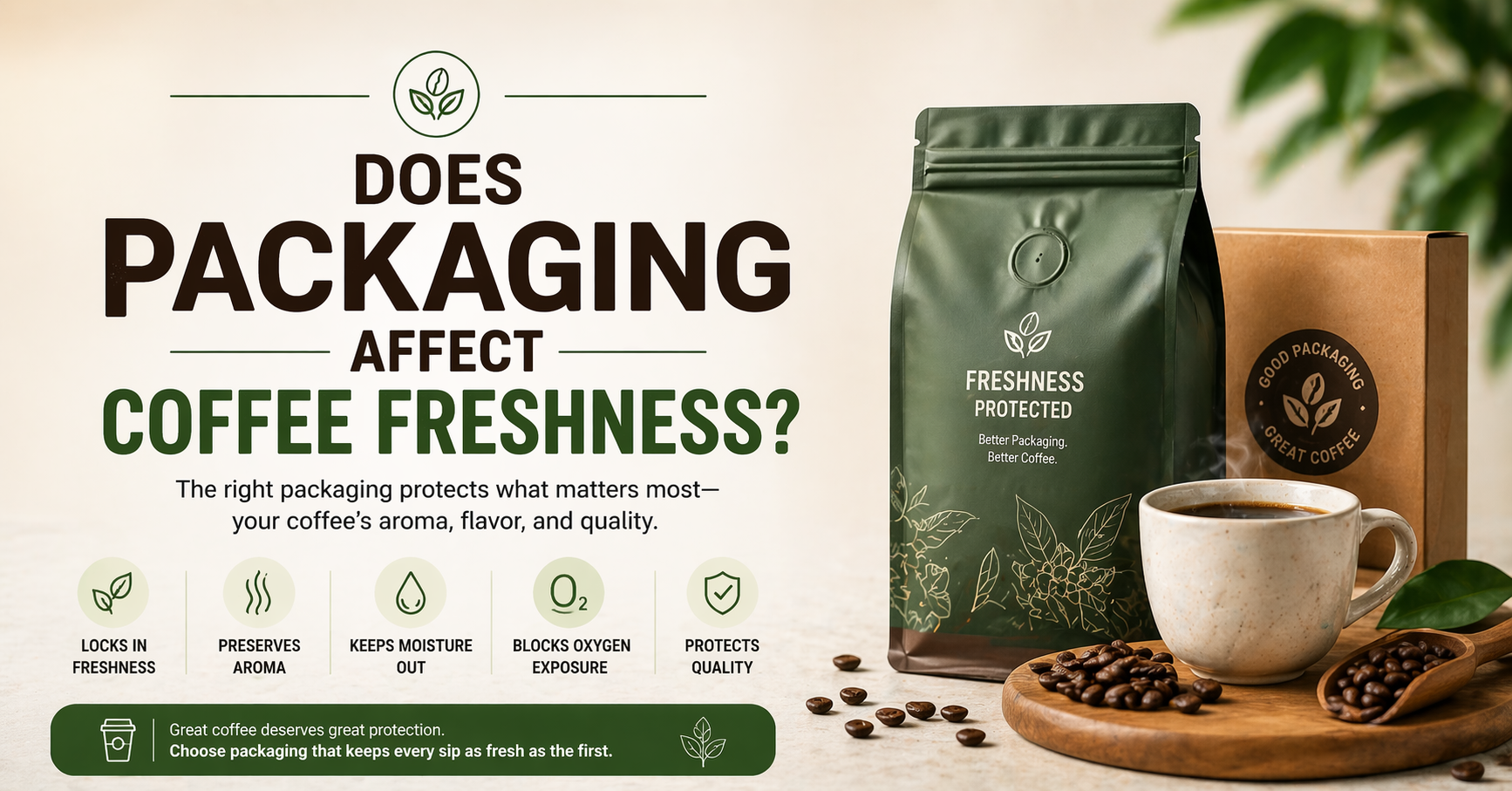
An eco-friendly coffee packaging plays an integral part in reducing environmental impact while meeting modern consumer demands and preserving product quality. By adopting recyclable, biodegradable, and compostable materials, your coffee brand can not only support global sustainability goals but also strengthen its reputation, build customer loyalty, and establish long-term trust. At the same time, achieving these is interrelated to cost-efficiency. Thus, it requires practical design, budget-friendly production, and eco-friendly materials, and ethical sourcing.
Strategic Material Choices
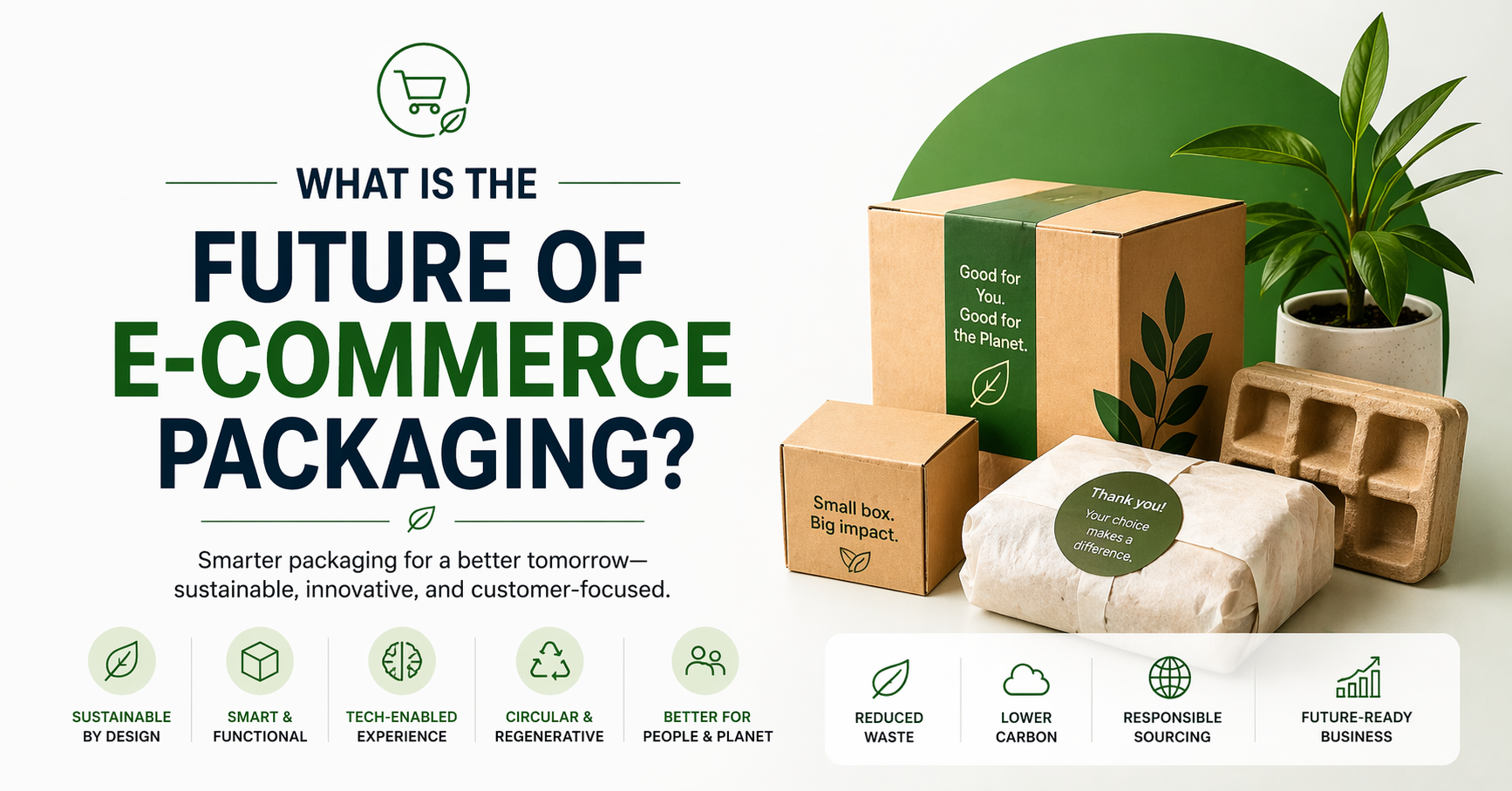
Packaging material plays a crucial role in balancing the cost, quality and appealing appearance. Let’s take a closer look at sustainable materials that aim to reduce negative environmental impact. It includes compostable, biodegradable and recyclable.
-
Compostable Materials
They refer to materials that break down naturally into the environment over time. They are made from natural plant-based materials like wood, pulp, cornstarch, and sugarcane. Its common types are kraft packaging, which is affordable and offers the required protection to coffee without the need for expensive multi-layered materials.
-
Recyclable Materials
One of the smartest choices is to shift the costly rigid board to flexible mono-material packaging. It includes glass, metal, aluminium cans and moulded pulp that simplifies the recycling process and minimises landfill waste.
For coffee packaging, using these materials helps brands to reduce eco-impact while still being protected from contamination.
-
Bio-Based Plastic Materials
They refer to materials that are made from renewable plant sources such as corn, starch, sugarcane, and cellulose. Its Common materials include polylactic acid( PLA) and polyols derived from vegetable oils.
In packaging for coffee, they provide a great sustainable alternative to traditional plastic while offering durability and barrier properties.
To select one of them, a strategic approach is to understand your brand needs, product type, and customer demographics. For example, a single-serving coffee pack may benefit from recyclable pouches, while gift and subscription boxes could use composable kraft boxes. Another key is to combine these stocks thoughtfully to optimise cost, maintain coffee freshness while aligning the brand with modern values.
Smart Design Packaging
Beyond materials, how you design your packaging can directly affect the overall cost. Although a beautiful design can enhance a customer experience by minimising the additional layers can also lower production costs. For example, traditional coffee packaging often includes multiple layers, like a box, an insert, lamination, and coating, which make recycling difficult. You should go with a simplified layer to keep the custom coffee packaging eco-friendly without compromising on a secure seal.
Right-sizing is another crucial factor; an oversized box can increase weight and create unnecessary waste. You should design a box that fits your coffee serving effectively. Functional features like resealable lids, compartments and stackable structure increase customer convenience, improve freshness and allow the box to be reused.
Consider digital printing, as it’s a smart solution for consistent branding across all your packaging. Unlike offset, which requires expensive costs and large order requirements, digital one creates a branded appearance without breaking the bank. At the top of that. It also offers greater flexibility with customisation; you can easily change graphics, artworks, and typography while keeping costs under control.
Ethical Sourcing
Another key is to partner with a local supplier to save money and reduce the environmental footprint. Local suppliers can cut down on long-distance shipping, which ultimately reduces transportation costs and lowers carbon emissions. At the same time, select a certified sustainable supplier, BoxesGen, to meet recognised and social standards. By these factors, your coffee brands can contribute positively to the planet.
Save With Bulk Purchasing
Another factor is to consider buying in bulk quantities, which can reduce the per-unit cost and ultimately help the brand to get more value for every dollar you spend. At the same time, look for suppliers that offer a low minimum order quantity(MOQs), which offers great flexibility to get custom designs without too much investment.
Here is the good advice: calculate your economic order quantity (EOQ), and you need three things for this:
- Cost to place one order
- Storage cost
- Annual demand
By using this formula, you can find your best order size that balances saving on bulk orders with minimal storage cost.
Consumer Engagement
More or less, you can use your position in the market to encourage customers to shift towards sustainable practices, refillable containers. By educating consumers, brands can reduce single-use packaging demand, which lowers materials cost over time and ultimately eases. And also with premium eco-friendly choices, the end-buyer will pay extra to stay eco-conscious. Furthermore, if the customer knows how to dispose of or reuse the packaging correctly, it enhances product sustainability, impact, and strengthens brand trust.
Wrap Up!
To summarise, it is important to note that your packaging for coffee does not have to be expensive. The key is to keep in mind smart designs, efficient ordering, leveraging bulk orders, optimising box weight and printing and focus on combining the right mix that can improve functionality and customer experience. By approaching with both sustainability and profitability, your coffee business can produce a quality product, reduce costs, appeal to eco-conscious buyers, and build more stronger and trusted brand.